
Start with four wheel robot car kit beginner in a UK setting
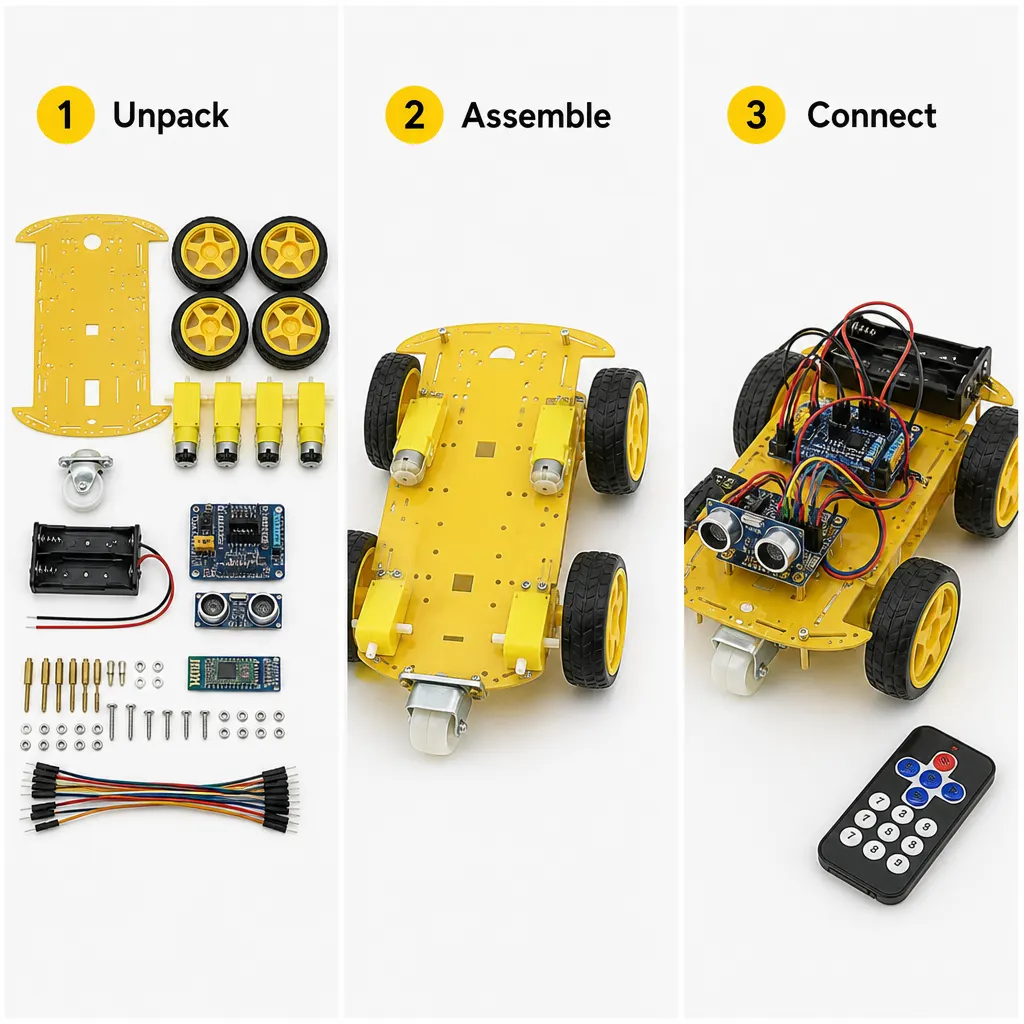
four wheel robot car kit beginner buyers in the UK should compare the product details against the actual job before ordering. Bluetooth multifunction car kit; listed-described four-wheel-drive model; Technical support is not included according to the listed offer This section explains what to check in a kitchen, garage or small workshop before you treat the product page as the next step.
Check the listed fit, operating limits and package contents against your workshop or site setup. If a detail is not on the product page, treat it as unverified rather than assuming performance. Compare storage, cleaning effort, session length and whether the documented scope matches short household jobs or longer production use. Section 1 keeps the advice inside public product facts only and helps you choose, avoid a mismatch, or take a practical next step.
Before you buy, compare the documented kit with the material, working space and task you actually need to finish. Look for limits that would make the tool a poor fit, then inspect the product details if the public facts still match your job. Extra context here only adds ordinary UK workshop checks rather than invented tests, ratings or sales promises.
Check the product details before you buy
four wheel robot car kit beginner buyers in the UK should compare the product details against the actual job before ordering. Bluetooth multifunction car kit; listed-described four-wheel-drive model; Technical support is not included according to the listed offer This section explains what to check in a kitchen, garage or small workshop before you treat the product page as the next step.
Check the listed fit, operating limits and package contents against your workshop or site setup. If a detail is not on the product page, treat it as unverified rather than assuming performance. Compare storage, cleaning effort, session length and whether the documented scope matches short household jobs or longer production use. Section 2 keeps the advice inside public product facts only and helps you choose, avoid a mismatch, or take a practical next step.
Before you buy, compare the documented kit with the material, working space and task you actually need to finish. Look for limits that would make the tool a poor fit, then inspect the product details if the public facts still match your job. Extra context here only adds ordinary UK workshop checks rather than invented tests, ratings or sales promises.
Common mismatches to avoid in everyday use
four wheel robot car kit beginner buyers in the UK should compare the product details against the actual job before ordering. Bluetooth multifunction car kit; listed-described four-wheel-drive model; Technical support is not included according to the listed offer This section explains what to check in a kitchen, garage or small workshop before you treat the product page as the next step.
Check the listed fit, operating limits and package contents against your workshop or site setup. If a detail is not on the product page, treat it as unverified rather than assuming performance. Compare storage, cleaning effort, session length and whether the documented scope matches short household jobs or longer production use. Section 3 keeps the advice inside public product facts only and helps you choose, avoid a mismatch, or take a practical next step.
Before you buy, compare the documented kit with the material, working space and task you actually need to finish. Look for limits that would make the tool a poor fit, then inspect the product details if the public facts still match your job. Extra context here only adds ordinary UK workshop checks rather than invented tests, ratings or sales promises.
A practical sequence for comparing options
four wheel robot car kit beginner buyers in the UK should compare the product details against the actual job before ordering. Bluetooth multifunction car kit; listed-described four-wheel-drive model; Technical support is not included according to the listed offer This section explains what to check in a kitchen, garage or small workshop before you treat the product page as the next step.
Check the listed fit, operating limits and package contents against your workshop or site setup. If a detail is not on the product page, treat it as unverified rather than assuming performance. Compare storage, cleaning effort, session length and whether the documented scope matches short household jobs or longer production use. Section 4 keeps the advice inside public product facts only and helps you choose, avoid a mismatch, or take a practical next step.
Before you buy, compare the documented kit with the material, working space and task you actually need to finish. Look for limits that would make the tool a poor fit, then inspect the product details if the public facts still match your job. Extra context here only adds ordinary UK workshop checks rather than invented tests, ratings or sales promises.
Compare setup, storage and daily use
four wheel robot car kit beginner buyers in the UK should compare the product details against the actual job before ordering. Bluetooth multifunction car kit; listed-described four-wheel-drive model; Technical support is not included according to the listed offer This section explains what to check in a kitchen, garage or small workshop before you treat the product page as the next step.
Check the listed fit, operating limits and package contents against your workshop or site setup. If a detail is not on the product page, treat it as unverified rather than assuming performance. Compare storage, cleaning effort, session length and whether the documented scope matches short household jobs or longer production use. Section 5 keeps the advice inside public product facts only and helps you choose, avoid a mismatch, or take a practical next step.
Before you buy, compare the documented kit with the material, working space and task you actually need to finish. Look for limits that would make the tool a poor fit, then inspect the product details if the public facts still match your job. Extra context here only adds ordinary UK workshop checks rather than invented tests, ratings or sales promises.
Work through a checklist before ordering
four wheel robot car kit beginner buyers in the UK should compare the product details against the actual job before ordering. Bluetooth multifunction car kit; listed-described four-wheel-drive model; Technical support is not included according to the listed offer This section explains what to check in a kitchen, garage or small workshop before you treat the product page as the next step.
Check the listed fit, operating limits and package contents against your workshop or site setup. If a detail is not on the product page, treat it as unverified rather than assuming performance. Compare storage, cleaning effort, session length and whether the documented scope matches short household jobs or longer production use. Section 6 keeps the advice inside public product facts only and helps you choose, avoid a mismatch, or take a practical next step.
Before you buy, compare the documented kit with the material, working space and task you actually need to finish. Look for limits that would make the tool a poor fit, then inspect the product details if the public facts still match your job. Extra context here only adds ordinary UK workshop checks rather than invented tests, ratings or sales promises.
When to continue to the product page
four wheel robot car kit beginner buyers in the UK should compare the product details against the actual job before ordering. Bluetooth multifunction car kit; listed-described four-wheel-drive model; Technical support is not included according to the listed offer This section explains what to check in a kitchen, garage or small workshop before you treat the product page as the next step.
Check the listed fit, operating limits and package contents against your workshop or site setup. If a detail is not on the product page, treat it as unverified rather than assuming performance. Compare storage, cleaning effort, session length and whether the documented scope matches short household jobs or longer production use. Section 7 keeps the advice inside public product facts only and helps you choose, avoid a mismatch, or take a practical next step.
Before you buy, compare the documented kit with the material, working space and task you actually need to finish. Look for limits that would make the tool a poor fit, then inspect the product details if the public facts still match your job. Extra context here only adds ordinary UK workshop checks rather than invented tests, ratings or sales promises.